
Stone Town: Why This Place Captivates Every Traveler
Some places are hard to describe in words. Stone Town is one of them. This isn't just another "old quarter" to check off your list. It's a city that lives at its own rhythm, and draws in everyone who sets foot here.
Where Does the Name Come From?
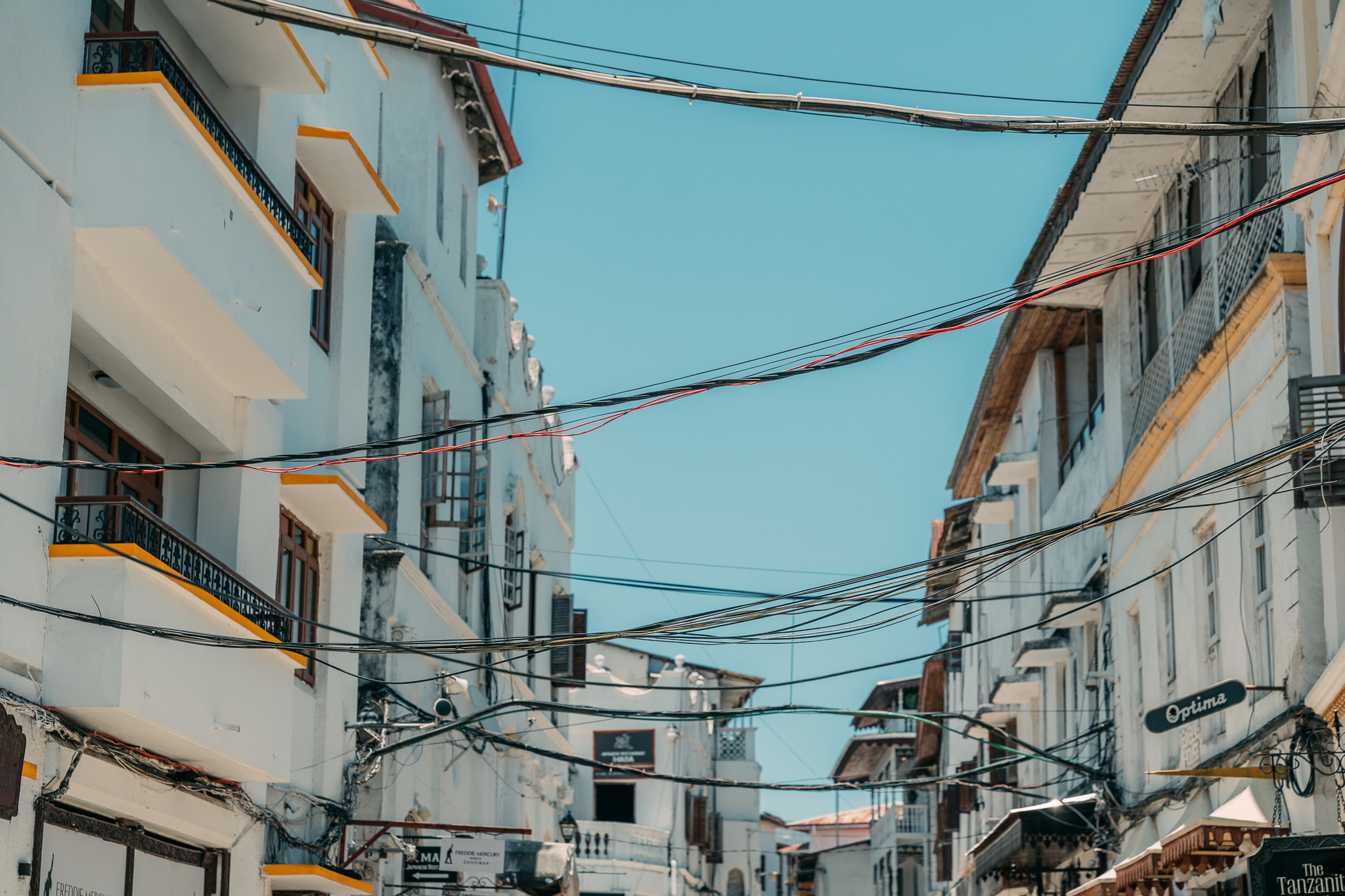
Stone Town (Mji Mkongwe in Swahili, which literally means "old town") is the historic center of Zanzibar City, the capital of Unguja island. The name comes from the distinctive coral stone and limestone buildings that have given the town its unique look for centuries.
In 2000, Stone Town was inscribed on the UNESCO World Heritage List as "an outstanding example of Swahili trading culture, combining African, Arab, Indian, and European influences." This isn't a marketing slogan. It's a literal description of what you'll see when you walk its streets.
Arabian Doors: A Symbol Worth Understanding
One of the first things that catches your eye in Stone Town are the massive wooden doors adorned with brass studs and intricate carvings. This isn't random decoration.
In Omani and Indian tradition, doors were the calling card of the homeowner. The wealthier the merchant, the more ornate the entrance. The studs were originally meant to deter elephants (yes, that's true), and the carving patterns often referenced the family's religion or place of origin. Today, over 500 such doors survive in Stone Town. Each one different, each with its own story.
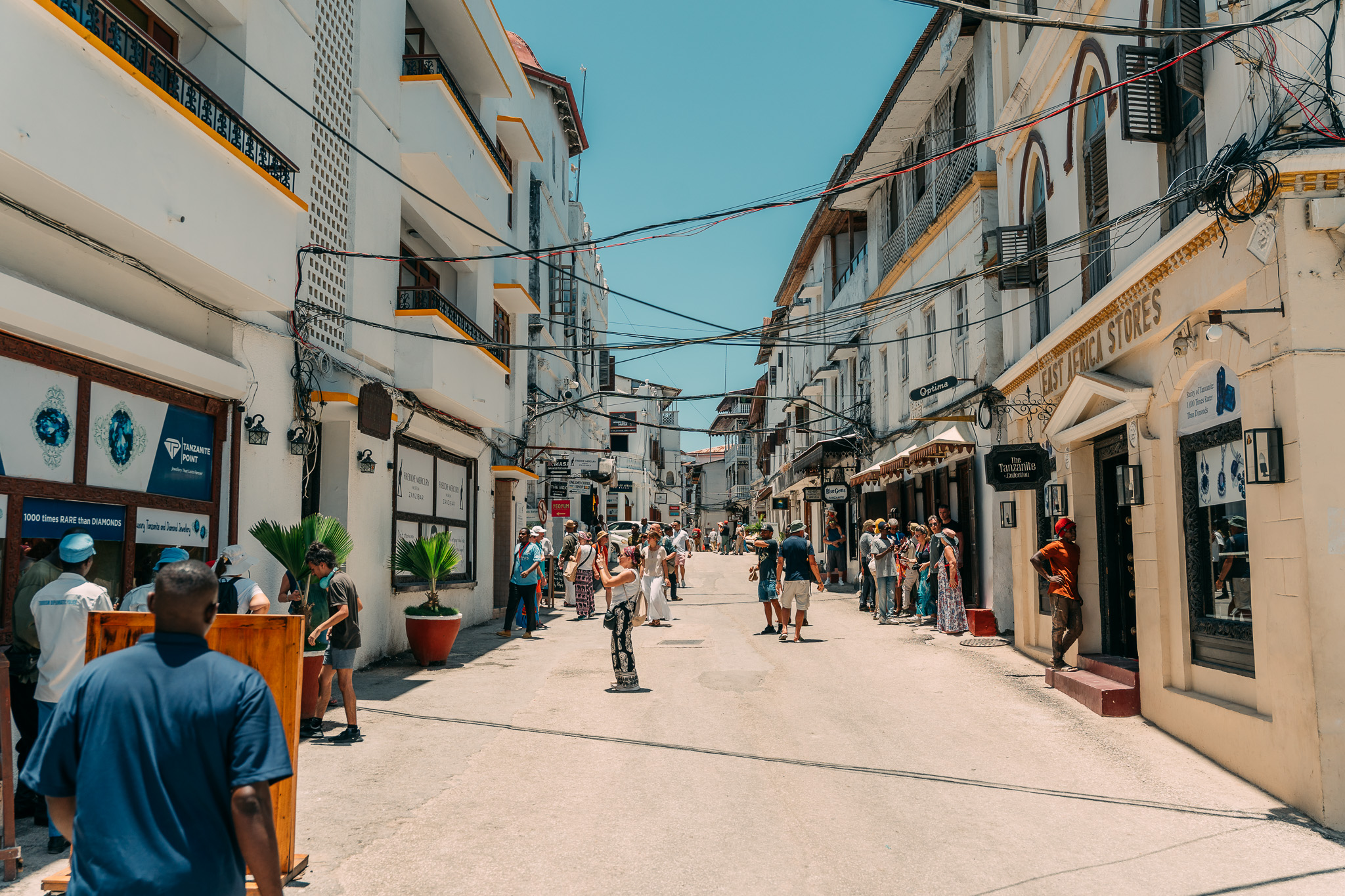
The bustling streets of Stone Town — where centuries of history meet everyday life
How to Get Around?
Forget the map. Seriously. Stone Town is designed to get you lost, and that's its greatest charm. Narrow alleys that barely fit one person suddenly open onto small squares with fountains. Dead ends lead to hidden cafés. Every turn is a surprise.
The best way to experience Stone Town is simply to walk. Head out in the morning when it's still cool, grab a coffee from one of the stalls, and let yourself drift. If you get lost, ask anyone. The locals are exceptionally helpful and usually speak English.
What to See?
Forodhani Gardens — a seaside park that transforms into a massive food market every evening. Fresh seafood, grilled meat, sugarcane juice. Ridiculously low prices, unforgettable atmosphere.
House of Wonders (Beit al-Ajaib) — the first building in Zanzibar to have electricity and an elevator. Today it houses a museum of Swahili culture. Worth entering for the architecture alone.
The Old Fort (Arab Fort) — built by the Omanis in the 17th century. Today it hosts concerts, festivals, and markets. Free admission.
Darajani Market — the bustling commercial heart of Stone Town. Fish, spices, vegetables, fabrics. This is where locals shop, not tourists, and that's exactly why it's worth a visit.
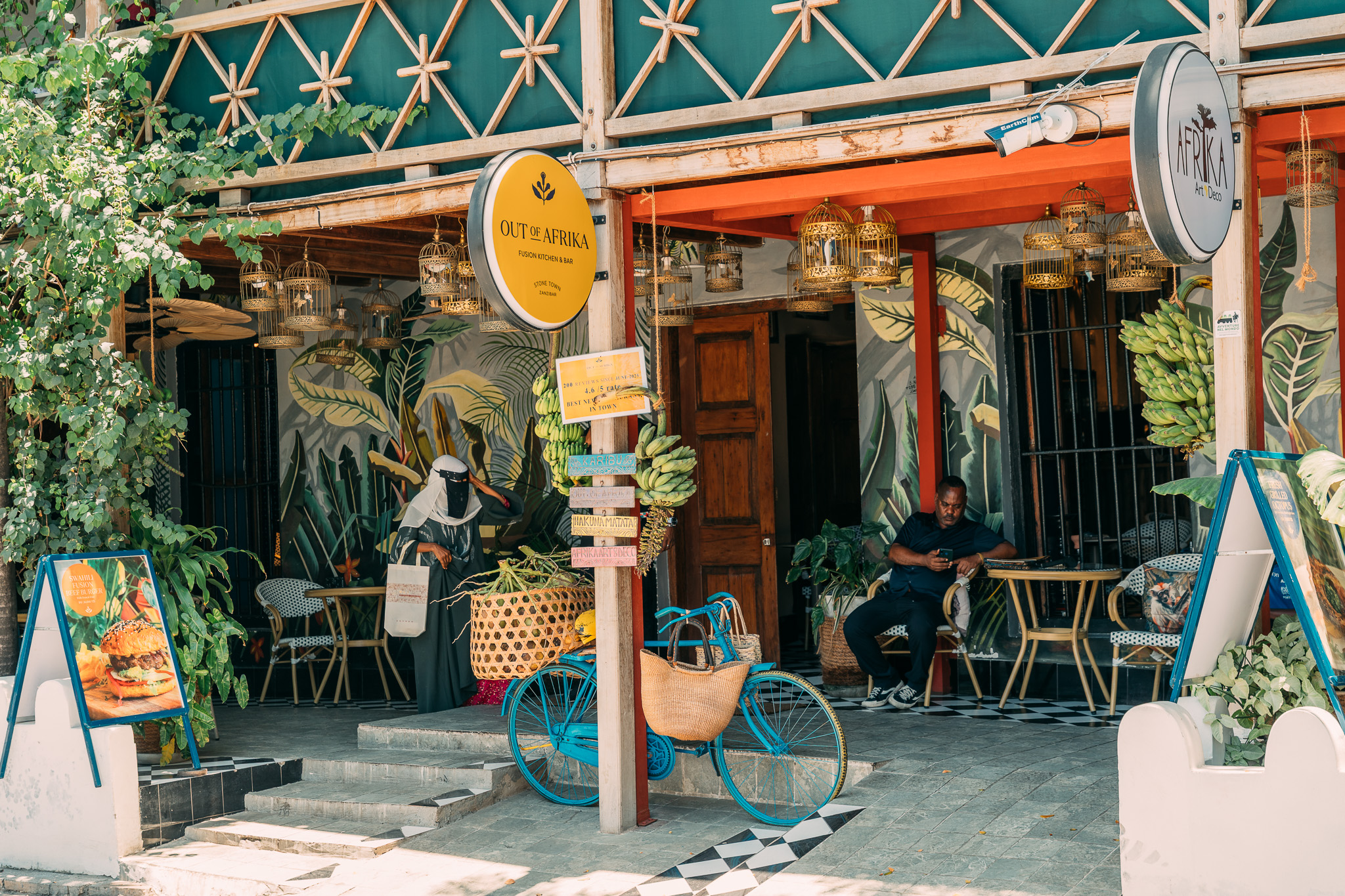
Stone Town is full of hidden gems — colorful cafés, art galleries, and restaurants tucked into every corner
When Is the Best Time to Visit?
Stone Town is beautiful at any time of year, but we especially recommend early morning (before 9:00 AM) and late afternoon (after 5:00 PM). Midday can be hot and crowded. Evenings at Forodhani Gardens are an absolute must.
If you can, plan your visit during the ZIFF Festival (Zanzibar International Film Festival) in July. One of the largest cultural events in East Africa, held right here.
Practical Information
Stone Town is on the western part of the island and is usually the first stop after arrival. From the airport, it's about a 20-30 minute drive. Most hotels in Stone Town are small, atmospheric riads and guesthouses. Staying here is a completely different experience from a beach resort.
Remember that Stone Town is an active Muslim community. Dress modestly (covered shoulders and knees), especially when entering mosques or markets. This is a sign of respect that is greatly appreciated here.
💡 Tip: If you're planning to stay in Stone Town before or after your beach stay, check our recommended hotel list. We have some exceptional places right in the heart of the old town.